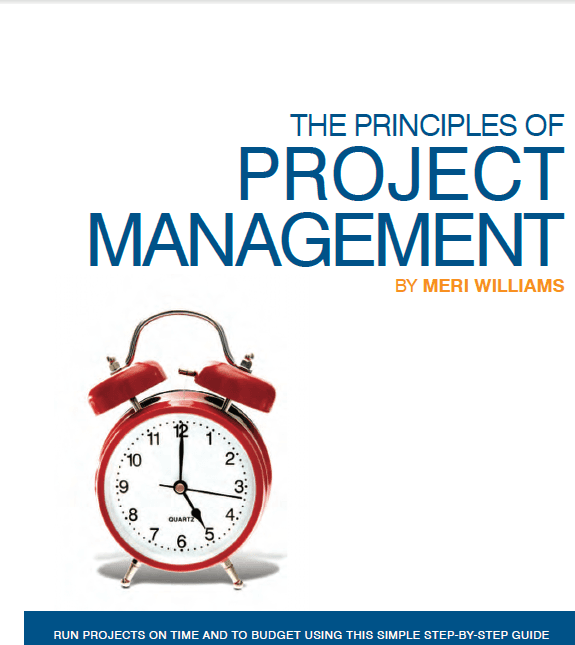
The Principles of Project Management
By Meri Williams
Rating:
Complimentary manuscript consultationConfidentiality guaranteed


Non-fiction · Science
Science writing demands careful research, precise terminology, and a strong grasp of evidence. The goal is to explain complex ideas without distorting the facts or losing the reader.
Request a consultationSpecialist-led support
Confidential collaboration
Complete ownership
Science writing demands careful research, precise terminology, and a strong grasp of evidence. The goal is to explain complex ideas without distorting the facts or losing the reader.
From scientific history and emerging discoveries to professional guides and accessible popular science, we build clear structures, verify claims, and translate technical concepts into engaging prose.
Strong science writing gives readers a clear path through unfamiliar ideas. We define essential concepts, establish context, connect evidence to conclusions, and use examples or analogies carefully so the manuscript becomes accessible without overstating what the research can prove.
A well-developed science book can support public education, speaking, institutional outreach, courses, policy conversations, and long-term thought leadership. We shape the content around a coherent central argument while preserving the research trail needed for expert review and reader trust.
Questions before you begin
We can support popular science, research-based nonfiction, scientific history, professional guides, emerging-technology books, environmental titles, health-science education, and expert thought-leadership projects.
Yes. We define the reader’s prior knowledge, expected terminology, and purpose before drafting, then adjust the depth, examples, pacing, and technical detail to suit that audience.
We organize the supplied research, maintain a source record, identify claims that need support, and distinguish established evidence from interpretation or emerging findings. Final scientific accuracy remains subject to author or expert approval.
Yes. We can synthesize papers, presentations, interviews, notes, datasets, and existing educational material into a cohesive narrative designed for a wider readership.
Yes. We can identify where visuals improve understanding, draft captions and content briefs, and coordinate the manuscript structure with later illustration, data-visualization, and design work.
Most full-length projects take several months. Timing depends on research depth, technical complexity, interviews, visual planning, expert review, manuscript length, and revision rounds.
The author or a designated specialist provides final subject-matter approval. You retain final editorial approval and ownership of the completed manuscript according to the project agreement.
Selected non-fiction titles
By Meri Williams
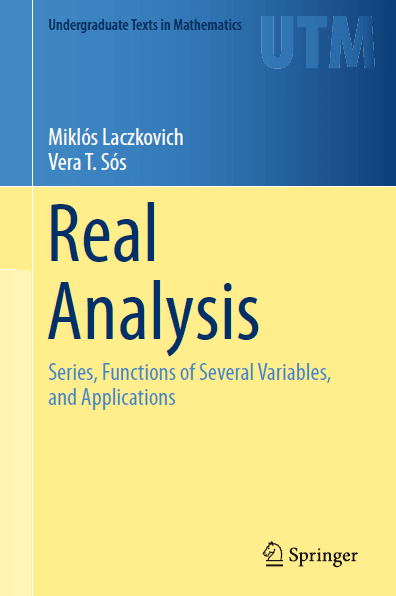
By Miklós Laczkovich & Vera T. Sós
By Lilian Richieri Hanania & Anne-Thida Norodom
By National Business Group on Health

By Tarla Dalal

An experienced screenwriter and fiction ghostwriter who brings practical production insight to cinematic, character-led stories.

A thoughtful writer with a strong command of language, emotional nuance, and the details that make a fictional world feel lived in.

An accomplished writer whose background spans education, narrative development, and content production across multiple genres.