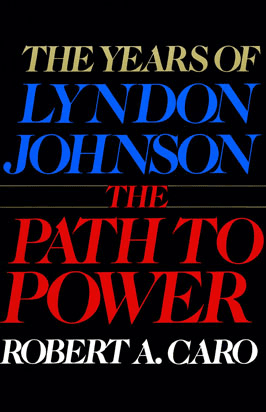
The Years of Lyndon Johnson
By Robert A. Caro
Complimentary manuscript consultationConfidentiality guaranteed


Ghostwriting · Celebrity Biographies & Autobiographies
A public life is experienced in private before it is understood by an audience. We help performers, athletes, creators, executives, public figures, estates, and authorized representatives develop biographies and autobiographies that reveal the person behind the public record.
Request a consultationSpecialist-led support
Confidential collaboration
Complete ownership
A public life is experienced in private before it is understood by an audience. We help performers, athletes, creators, executives, public figures, estates, and authorized representatives develop biographies and autobiographies that reveal the person behind the public record.
Recognition may bring public milestones, but a compelling life story also needs the decisions, setbacks, relationships, and private turning points that gave those moments meaning. We build a narrative arc that connects achievement with the human experience behind it.
The project can take the form of a first-person autobiography or an authorized third-person biography. Early discovery establishes the viewpoint, audience, boundaries, and degree of access before the manuscript structure is approved.
A high-profile life can generate an overwhelming amount of material. We identify the experiences that define the story, then organize them around a clear emotional and chronological journey rather than a catalogue of appearances and accomplishments.
Interviews explore formative influences, pivotal work, public pressure, relationships, reinvention, and the lessons the subject wants readers to carry forward.

Books about recognizable people demand a careful source process. We review supplied archives, published interviews, press coverage, photographs, recordings, timelines, and approved third-party testimony to distinguish established facts from recollection and interpretation.
Conflicting accounts, sensitive claims, permissions, and gaps in the record are flagged for discussion. Where appropriate, the client can involve legal counsel or specialist reviewers before publication.
For an autobiography, the writer studies cadence, humor, vocabulary, values, and the way the subject makes sense of experience. Drafts are developed through repeated conversations and review so the finished prose feels natural to the person whose name will appear on the cover.
For a biography, the voice remains authoritative and readable while preserving complexity. We avoid turning a full life into publicity copy or forcing the subject into a single, simplified image.

Public visibility makes privacy, access, and coordination especially important. The engagement can include limited-access materials, designated points of contact, scheduled interviews, controlled draft circulation, and defined approval stages.
Every project is scoped around the subject’s availability and the number of stakeholders involved. Communications and working files are handled confidentially, with final approval and ownership governed by the project agreement.
The process moves through positioning, interviews, research, life mapping, outline approval, staged drafting, fact review, developmental editing, and line editing. This creates space for both creative discovery and responsible verification.
When included in the engagement, support can continue into book design and publishing preparation. Distribution, publicity, and marketing outcomes depend on the chosen publishing path and are planned as separate, transparent services.
By Robert A. Caro
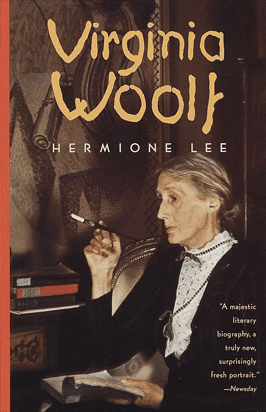
By Hermione Lee

By Penelope Lively
Questions before you begin
An autobiography is told in the subject’s first-person voice. A biography is written about the subject in third person and may be authorized by the subject, family, estate, or representative.
Yes. We can establish a designated contact, approval process, interview schedule, and controlled access to materials at the start of the engagement.
We document sources, distinguish recollection from confirmed fact, flag conflicting accounts, and recommend specialist or legal review where appropriate.
Yes. Interviews, recordings, speeches, and existing material help the writer understand cadence, humor, vocabulary, and point of view while developing original prose.
Yes. Interview blocks, source collection, stakeholder reviews, and approvals can be planned around availability, provided the agreed milestones remain realistic.
Yes. Project materials and communications are handled confidentially, with access limited to the people needed to complete the agreed work.
You retain final approval and ownership of the completed deliverables according to the project agreement.

An experienced screenwriter and fiction ghostwriter who brings practical production insight to cinematic, character-led stories.

A thoughtful writer with a strong command of language, emotional nuance, and the details that make a fictional world feel lived in.

An accomplished writer whose background spans education, narrative development, and content production across multiple genres.